A recent nationwide poll found that 52% of Americans want to lose weight, and right now, everyone is talking about GLP-1 with a boom in use of GLP-1 agonist medications. But these medications are not for everyone. So is it possible to naturally boost GLP-1 in the body?
What Is It?
Glucagon-like peptide (GLP-1) is a hormone that is produced and released in the gut after you eat. It helps slow gastric emptying, which can enhance satiety and help control hunger. The release of GLP-1 also activates insulin, so it helps regulate blood sugar metabolism. With these actions, it’s easy to see how GLP-1 is tied to better weight and appetite control.
Can GLP-1 be increased naturally?
Yes! While you may not reach the activity levels found with medication use, there are several natural foods and supplements that can help promote GLP-1. Here are just a few of them.
Fiber. When people consume fiber, like that found in fruits, vegetables, and whole grains, their gut bacteria break it down into short-chain fatty acids like butyrate. Research suggests that these fatty acids signal special cells in the gut to release GLP-1 into the bloodstream. In addition, fermentable fibers, like acacia, beta glucan (from oats and barley), or oligosaccharides (from beans, peas, and lentils) not only increase the release of GLP-1 but help to maintain satiety between meals so there is less hunger.
Healthy Fats. While we think of omega-3 and monounsaturated fats primarily for heart health, they have also been shown to help promote satiety and fullness, enhance insulin sensitivity and blood sugar metabolism. Good choices for healthy fats include olive oil, avocados, nuts and seeds, and fatty fish. If these foods are not consistently consumed in the diet, Omega-3 fish oils are available in capsule or liquid form.
Protein. Protein stimulates natural release of GLP-1 and can help with satiety and balanced blood sugar. Because protein supplies the amino acid building blocks of muscle tissue, it can help promote and spare lean muscle tissue while a person loses weight. Food sources of protein include meat, fish, poultry, tofu, tempeh, eggs, nuts, and beans. Protein powders, either whey or plant-based, can be helpful as an on-the-go source of protein.
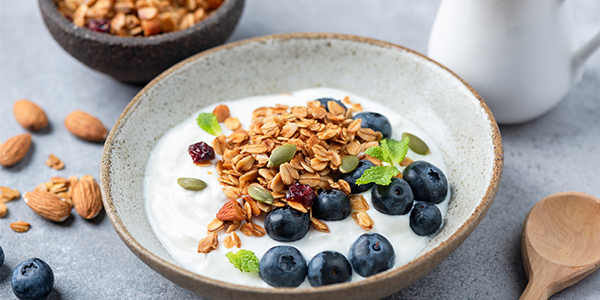
Fermented Foods. Fermented foods like kefir, yogurt, sauerkraut, kimchi, and tempeh, supply probiotics that support a healthy gut environment. Keeping your gut healthy can affect how GLP-1 is made and released in the body.
Berberine. Berberine is a plant compound found in a variety of herbs including goldenseal, barberry, Oregon grape, and other Berberis plants. Research suggests this compound can activate AMP-activated protein kinase (AMPK), an enzyme that can enhance blood glucose control and healthy metabolism. This is how berberine has been associated with GLP-1 medicines, since one of the ways GLP-1 works is by activating an AMPK pathway. Berberine also has a role in supporting gut and microbiome health. Berberine works to support the integrity of the gut wall, providing an anti-inflammatory and antioxidant effect that can help keep harmful bacteria from entering the gut.
Akkermansia. Akkermansia muciniphila (Akkermansia) is just one of the many types of bacteria that live in the large intestine. Research suggests that people with higher levels of Akkermansia have lower rates of excess weight gain. Akkermansia is thought to be associated with increases in GLP-1 levels. Akkermansia can be increased through an antioxidant polyphenol-rich diet through consumption of green tea, berries, and leafy green vegetables, or through supplementation.


