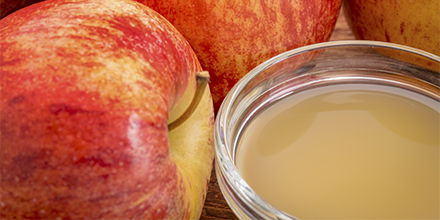
Made by fermentation of apple cider, apple cider vinegar has a variety of uses, including food preservation, household cleaner, culinary ingredient, therapeutic and even beauty remedy.
Apple cider vinegar (ACV) is a common household product that has a long history of use. Made by fermentation of apple cider, ACV has a variety of uses, including food preservation, household cleaner, culinary ingredient, therapeutic and beauty remedy. Many people choose raw ACV over pasteurized because it contains “the mother”, a blend of naturally occurring compounds, including:
- Acetic acid – antibacterial, antimicrobial compound
- Probiotics – support for the good bacteria in the gut microbiome.
- Polyphenols – antioxidants that can help reduce oxidative damage in the body.
It’s these compounds that may be contributing to the health benefits reported for ACV.
Benefits of ACV
Blood Sugar Control
This is one of the most promising areas of use for ACV. A research review of 6 studies concluded that consuming 1-2 tablespoons of ACV decreased BaA1C and fasting blood sugar levels. A 2019 study suggests that ACV may have beneficial effects on both glycemic status and oxidative stress in people with diabetes. Other studies have demonstrated that vinegar may help improve insulin function and lower blood sugar levels following meals. ACV use should be discussed with a qualified health care provider prior to use, especially if you are taking any medication.
Digestive Health
ACV is rich in acetic acid, and as such it is naturally acidic. This fact could explain how ACV may benefit digestion, reducing bloating and gas specifically in those people with low stomach acidity. Some people who experience gastroesophageal reflux disease, or acid reflux, find ACV to be a helpful remedy. The acetic acid in vinegar also works as an antimicrobial substance that can help reduce bacteria and yeast in the stomach and intestines. While ACV is a fermented food and is considered to be probiotic, it is unclear if it provides the same benefits as probiotic bacteria. Evidence does suggest there may be a role for ACV in yeast and fungal infections.
Weight Loss
ACV is touted as a remedy to help with weight loss. While evidence is not clear, some studies do point to a potential role for ACV in weight control. One possible mechanism of action is that ACV may enhance feelings of satiety, which in one study resulted in participants eating 200-275 fewer calories in a day. Another study showed that daily consumption of ACV for 4 to 12 weeks was associated with reductions in weight, body mass index, body fat ratio, blood glucose, triglyceride and cholesterol levels. Benefits appear to be modest, but as a low-calorie food that may also help with blood sugar control, ACV could be a positive addition to a weight control program.
Antimicrobial
When you think about vinegar, cleaning comes to mind because vinegar is known to kill pathogens. Vinegar has traditionally been used for household cleaning, for treating nail fungus, for fighting acne, and even for cleaning wounds. Lab studies on apple cider vinegar have found it can restrict growth of E. coli, Staph. aureus, and even Candida albicans.
Apple cider vinegar can be added to the diet in dressings and marinades or in health tonics. While it can be consumed diluted as a beverage, excess consumption can erode tooth enamel. Today it is also found in gummies or in convenient capsule form. While research is ongoing on ACV, this folk remedy continues to enjoy the spotlight in the world of health, and its use will likely continue for many years to come.


